
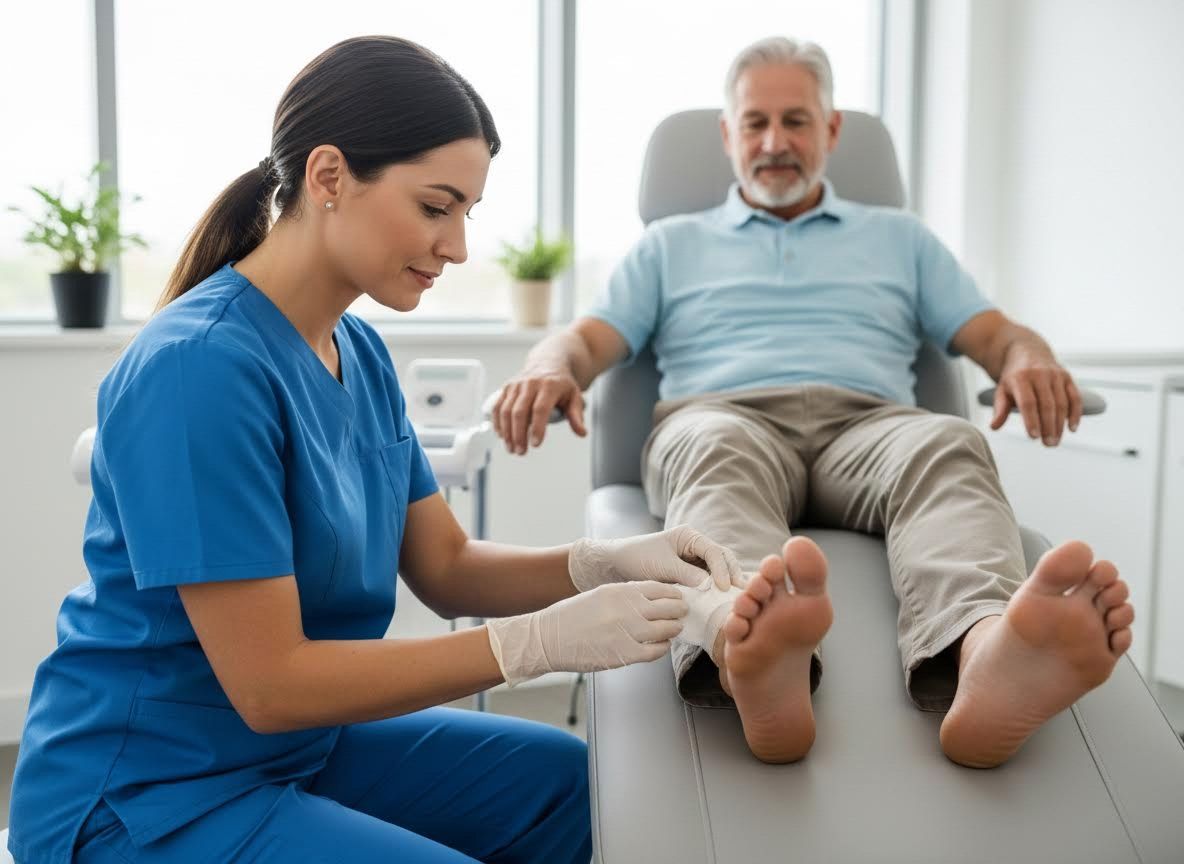
Foot and ankle wounds, if left untreated, can lead to significant complications, especially for individuals with underlying health conditions like diabetes. Understanding the best practices for wound care is crucial for maintaining overall lower extremity health and preventing serious issues. This blog post, drawing insights from the experienced podiatrists at Advanced Foot Ankle and Wound, offers practical tips to help you manage and prevent common foot-related wounds across West Michigan, including Wyoming and Grand Rapids.
The Critical Importance of Early Wound Care
Our feet are susceptible to various types of injuries, from minor cuts and scrapes to more complex ulcers. What might seem like a small abrasion can quickly escalate into a severe infection if not properly addressed, particularly for those with compromised circulation or nerve damage. Diligent wound care and prompt intervention are essential to minimize the risk of infection, prevent tissue damage, and avoid the need for more extensive treatments. Recognizing the signs of an emerging wound or infection is the first step in protecting your foot health.
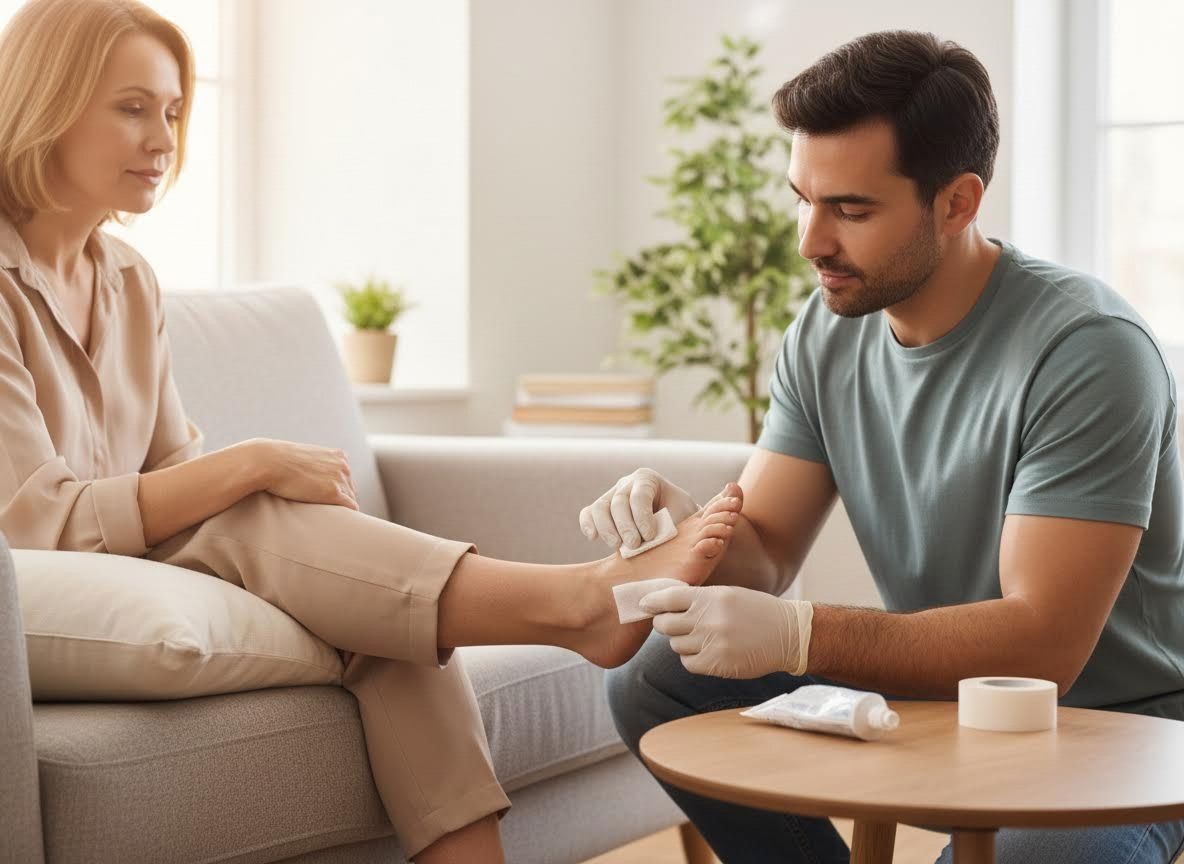
Essential At-Home Tips for Minor Foot Wounds
For small, superficial wounds, immediate and careful home care can make a big difference. Begin by gently cleaning the wound with mild soap and water, ensuring all dirt and debris are removed. Apply an antiseptic solution or ointment as directed by your healthcare provider, and cover the wound with a sterile, non-stick dressing. Change dressings regularly, and always keep the area dry and clean. Monitor the wound closely for any signs of worsening, such as increased redness, swelling, pus, or persistent foot pain.
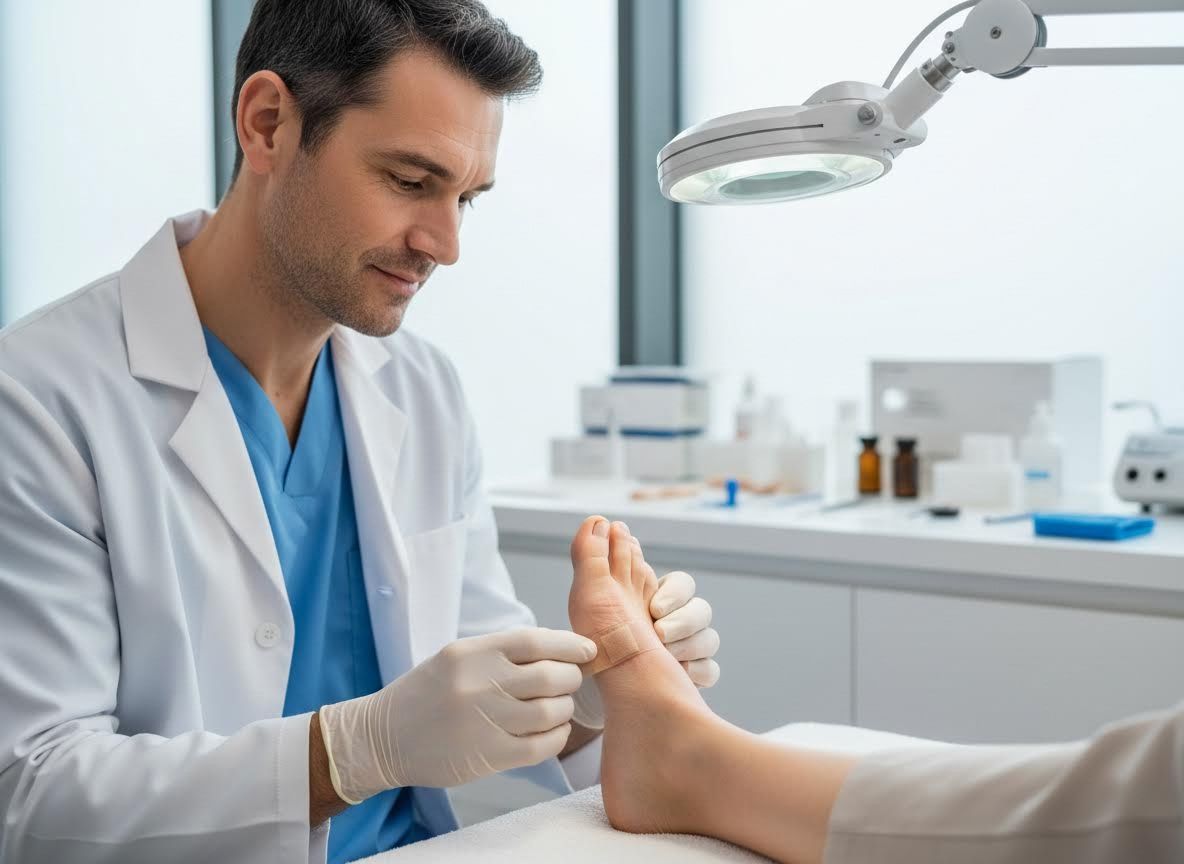
When to Seek Professional Podiatry Care
While minor wounds can often be managed at home, certain situations warrant immediate professional attention. If you have diabetes, peripheral neuropathy, or poor circulation, any foot wound, no matter how small, should be evaluated by a podiatry specialist. Seek professional help if a wound shows signs of infection (fever, chills, spreading redness), is deep or bleeding excessively, or if healing does not progress within a few days. Our West Michigan team offers advanced wound care solutions, including debridement, specialized dressings, and even advanced therapies like PRP therapy to promote healing.
Advanced Treatments for Complex Foot Wounds
For persistent or complex wounds that don't respond to basic care, a specialized approach is often necessary. Modern podiatry offers a range of sophisticated treatments. These can include advanced wound dressings, biological skin substitutes, negative pressure wound therapy, and even hyperbaric oxygen therapy in some cases. In severe situations where infection has spread or significant tissue damage has occurred, foot surgery might be required to remove damaged tissue and facilitate healing, preserving limb function and overall health.
Taking proactive steps and understanding when to seek professional guidance are key to effective wound care. The health of your feet directly impacts your mobility and quality of life, making diligent attention to any foot wounds non-negotiable. If you are experiencing persistent foot pain or have concerns about a non-healing wound, expert help is just a click away. Contact Advanced Foot Ankle and Wound today to learn more about our specialized podiatry and wound care services in Wyoming, MI, and let our team support your journey to recovery.